


How production services company Swixer is redefining international collaboration
CEO Fatima Lagerås also discusses popular locations and creative problem solving.
Sponsored by: Swixer
What is Swixer’s mission and ethos? What inspired you to set it up?
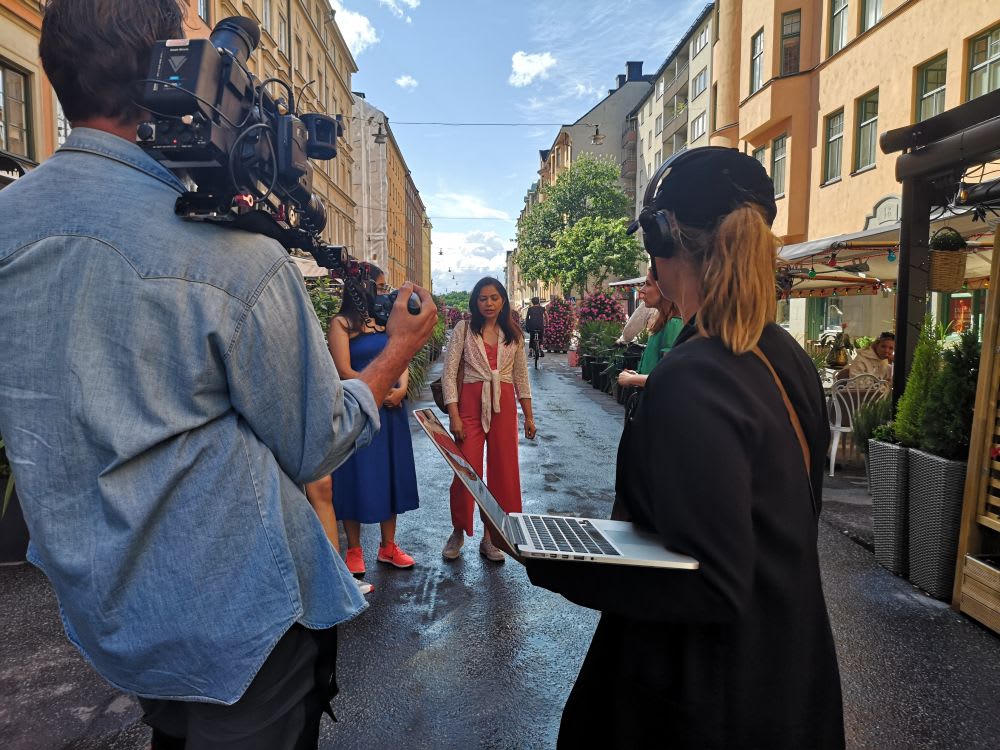
Swixer was founded with a clear mission: to support international productions through trusted local expertise, wherever in the world you’re filming. I started Swixer in Sweden after working on a US production locally and quickly realising there was a strong demand for reliable, on-the-ground support when filming abroad. Through that experience, I saw firsthand how cross-border productions can become unnecessarily complex, with fragmented communication, unclear responsibilities, and producers forced to rebuild trusted local teams from scratch in each new country.
Swixer was created to solve that. What began in Sweden expanded internationally after a few years, growing into a trusted network of experienced local producers and fixers operating across Europe, capable of managing full local productions with crews, logistics and infrastructure in place.
Our ethos is built on trust and local expertise. We believe the best productions happen when international creatives can focus on storytelling, while experienced local teams manage the practicalities on the ground.
What international projects have you been working on recently, and coming up for 2026?
Recently, Swixer has been supporting a broad range of international productions across Europe, spanning commercials, branded content, documentary series and TV.
On the commercial and brand side, this includes fashion and lifestyle campaigns such as Lillet’s winter campaign in Paris and Maison123’s seasonal campaign shot across Amsterdam and the Dutch countryside, where we provided full local production services, crews, locations and logistics. We’ve also helped produce the Dutch trailer for Moulin Rouge! The Musical, handling end-to-end local production in the Netherlands.
In TV and documentary, we’ve worked closely with international broadcasters and production companies on projects such as Amazing Walks with Robson Green for BBC Studios in Austria, and multi-country documentary series including An Optimist’s Guide to the Planet, filmed across several European territories with complex logistics and remote locations.
We’ve also supported larger, multi-country brand films such as I AM METLEN for Metlen Energy & Metals, managing local production across both the UK and Italy as part of a wider international shoot. Looking ahead to 2026, the year has already begun with a varied mix of productions. This includes an outdoor brand shoot in Lofoten, Norway, set against dramatic Arctic landscapes, as well as a documentary project in Denmark involving action-based reconstruction scenes. We’re also conducting early-stage research in Poland for an upcoming TV series, alongside handling full local production for a brand film in Sweden, managing everything from crew and locations to logistics and on-set delivery.
Which filming locations are proving popular at the moment and why?
At the moment, we’re seeing strong seasonal interest in the Nordics, particularly for winter shoots that benefit from snow-covered landscapes, dramatic light conditions and remote natural environments. These locations work especially well for outdoor brands, documentaries and visually driven storytelling.
Southern Europe continues to be popular year-round, particularly Spain and Italy, thanks to their visual diversity, experienced crews and reliable infrastructure, which allow productions to move efficiently between urban, coastal and rural settings.
What should international producers know about filming in your locations?
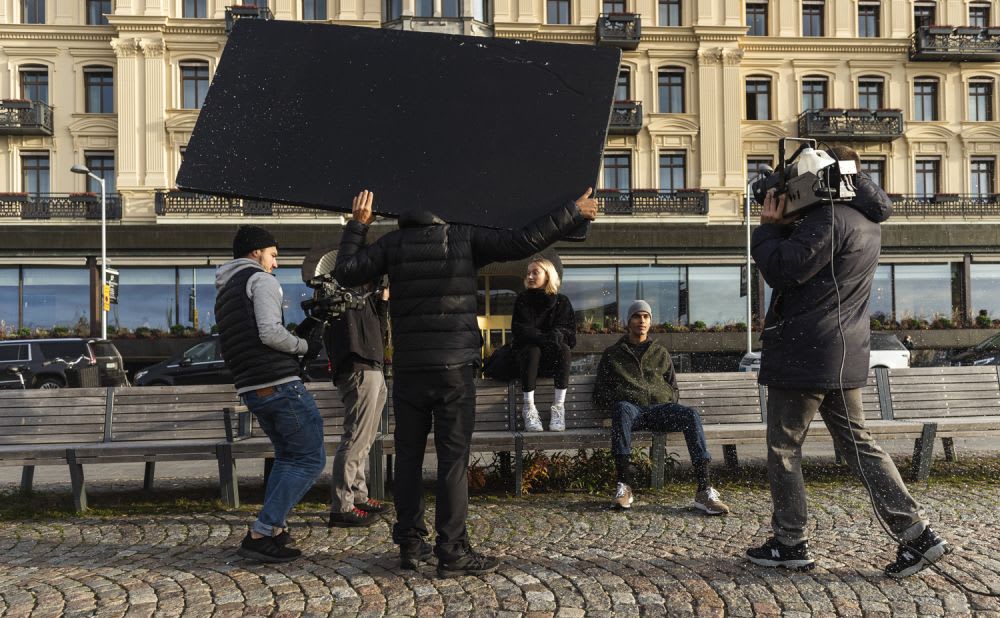
Preparation and local knowledge are key. Permits, especially in protected or remote locations, often require early planning and strong relationships with local authorities. Weather conditions can vary significantly between regions, even within the same country, and transport logistics should always be considered, particularly when moving crews or equipment across borders. Working with a local producer or fixer who understands these nuances can make a critical difference to schedules, budgets and overall production flow.
What is the most challenging element of a production you’ve been part of, and how do you overcome it?
The most challenging element of international production is often the moment when highly specific creative expectations meet the practical realities of filming on location, particularly across borders or in very remote environments.
This can mean sourcing very precise assets under demanding conditions. For example, we had a client who wanted a red icebreaker that could also break its way through ice, so we had to make sure there was still ice left to break. While at the same time navigating permit processes and coordinating specialised crews in locations with limited infrastructure. We overcome these challenges through early planning, clear communication and strong local knowledge, allowing us to turn ambitious ideas into workable solutions without losing sight of the creative vision.
What are the biggest differences between feature film/TV and commercial shoots?
Feature film and TV productions tend to have longer timelines, larger crews and more layered decision-making processes. Commercial shoots, on the other hand, often operate under tighter schedules with a stronger focus on flexibility and speed. Both require strong local production support, but commercials in particular benefit from teams that can adapt quickly and deliver high production value within limited timeframes.
What about filming in your locations has changed since Swixer opened?
What’s changed is both the way locations are used and how productions operate within them. When Swixer first opened, many international shoots tended to rely on a smaller number of well-established production hubs. Since then, a broader range of locations across Europe have become more production-ready, supported by increasingly experienced local crew and suppliers. This has allowed more shoots to be managed locally, with expertise based closer to the location rather than always flown in from a central hub.
From Swixer’s perspective, this shift has mirrored our own development, moving from offering fixer support in a single market to delivering full production services through trusted local teams across many regions. The result is a more agile way of working, tailored to each location while maintaining consistency across borders.
What advice would you give to international producers wanting to work with Swixer?
Bring us in early. The earlier we’re involved, the more value we can add, from location advice and budgeting to crew planning, logistics and local negotiations. Because we work regularly with crews, suppliers and locations in each market, we’re often able to secure rates, availability or terms that aren’t always accessible when booking independently.
Clear communication and transparency help us build the right setup from the start, ensuring a smooth and efficient production. We see ourselves as an extended arm and long-term partners rather than just service providers, and the best results come from collaboration and trust.
Latest news & features
Promote your services with Screen Global Production
Choose from three profile types - Basic, Silver and Gold
Create ProfileWe offer a range of display advertising opportunities.
Learn More